The discharge papers are signed. The medications are bagged. The cab is called. And within a few hours, your elderly parent is back home with a list of instructions they may or may not follow, and a body that isn’t quite ready for the independence that comes with being at home.
This moment happens thousands of times every day across India. And far too often, families treat hospital discharge as the finish line when it’s actually one of the most vulnerable periods in a senior’s health journey.
The 30-Day Window Nobody Talks About
Medical research consistently identifies the first 30 days after hospital discharge as a high-risk period for older adults. Readmission rates in this window are alarmingly high. Studies suggest that nearly one in five elderly patients is hospitalised again within a month of going home. Not because they weren’t given good care in the hospital. But because the support structure they returned to wasn’t equipped to handle what came next.
At home, there is no nurse to notice that the swelling in the legs is coming back. No one confirmed the blood pressure medication was taken at the right time. No one watching when a senior who’s still a little unsteady from surgery decides to get up at 3am to use the bathroom.
These aren’t unlikely scenarios. They’re everyday realities.
Falls: The Risk That Families Consistently Underestimate
A hospitalisation (even a brief one) changes how a person moves through the world. Muscle weakness sets in faster than most people expect. Even a week in bed can meaningfully reduce strength and balance in someone over 70. Combine that with the disorientation of returning home or the side effects of new medications, and the risk of a fall rises sharply.
Falls are the leading cause of injury-related hospitalisation among older adults in India. And the home environment like stairs, slippery bathroom floors, uneven thresholds, and dim lighting is rarely adjusted before a parent comes back from the hospital. Nobody thinks about changing it until something goes wrong.
Post-discharge fall prevention requires more than good intentions. It requires an environment specifically designed around senior safety: grab bars, non-slip surfaces, and round-the-clock availability of someone to help with mobility. This is one of the core reasons families searching for assisted living facilities after a hospital stay find that the structured environment makes a real, measurable difference.
Medication Errors: Small Mistakes with Serious Consequences
Hospital discharge typically comes with a new or revised medication regimen. Often, multiple medications. Sometimes as many as eight or ten for seniors managing chronic conditions alongside whatever brought them into the hospital in the first place.
Managing this alone is genuinely difficult. Dosage timings, drug interactions, and what to take with food vs on an empty stomach it’s a lot to keep straight, especially for someone who is still tired and recovering. Studies show that medication non-adherence is one of the primary drivers of post-discharge readmissions in elderly patients.
In a professional Assisted Living facility, this simply doesn’t happen. Medication administration is tracked, supervised, and documented. It removes one of the most significant post-discharge risks in a quiet, unremarkable way that families only appreciate in retrospect.
The Isolation Problem and Why It’s More Dangerous Than It Sounds
Here’s the risk that families least expect to take seriously: loneliness.
When a senior returns home after hospitalisation, activity levels drop. Visitors come for the first few days and then, understandably, life resumes everyone else. The senior is left with limited mobility, limited social contact, and a lot of time alone with their recovery.
Loneliness in older adults isn’t just an emotional issue; it has documented physical consequences. Research published in the journals of multiple geriatric institutions links chronic isolation to increased cortisol levels, weakened immune function, cognitive decline, and depression. A senior who was mentally sharp before hospitalisation can begin showing signs of confusion or low mood within weeks of prolonged isolation.
This is where senior assisted living apartments offer something that home care simply cannot replicate: daily human contact, structured activities, mealtimes shared with others, and the small but significant sense of having a community around you. Recovery happens faster when the environment supports it.
The Weight on the Family
Most families don’t place seniors in care because they don’t love them. They consider it when they honestly confront what consistent, high-quality post-discharge care actually requires and realise they’re not able to provide it without significant cost to their own health and livelihoods.
Caregiver burnout is real and well-documented. Adult children who take on full-time caregiving alongside careers and their own families often experience anxiety, sleep disruption, and depression themselves. The guilt of not being there enough cycles with the exhaustion of trying to be there too much.
Retirement homes and assisted living options exist partly to solve this problem not to replace the family’s love, but to provide the professional infrastructure that love alone cannot sustain.
See also: Enhancing Wellness Through Spinal Health
Choosing the Right Environment for Post-Discharge Recovery
If your parent has recently been discharged or is approaching a procedure, this is the right time to have the conversation before a crisis forces the decision.
When exploring assisted living near me options, look for facilities that specifically offer post-discharge transition support: medical supervision, physiotherapy access, medication management, and the kind of staffing levels that allow for individual attention.
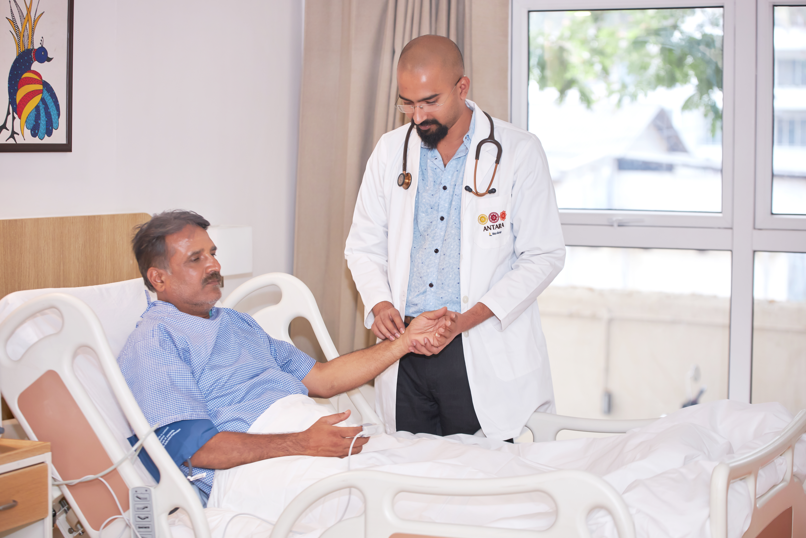
Antara Care Homes is one option families in NCR are increasingly turning to for exactly this kind of structured senior care. With clinical assessments that guide personalised care plans, trained nursing staff, and an environment designed for both safety and quality of life, Antara addresses the full picture of post-discharge risk not just the medical pieces.
The Honest Question
Would you be comfortable going home alone to recover from a major procedure, without nursing support, with a new medication list, and with the people who love you checking in when they can between work and family commitments?
For most of us, the honest answer is no.
Seniors deserve the same standard of care we would want for ourselves. Post-discharge recovery is not the time to assume that everything will be fine. It’s the time to put the right support in place before the 3 am fall or the missed medication dose makes the decision for you.