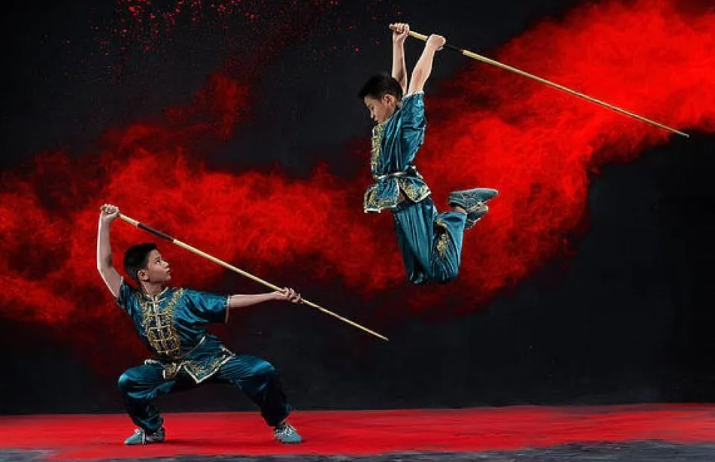
The teenage years are an important stage of personal development. Teens are becoming more independent, making more decisions for themselves, managing school responsibilities, building friendships, and discovering their own interests. At the same time, they may experience pressure from academics, social situations, family expectations, and future plans.
A structured physical activity can give teenagers a healthy environment where they can develop both physical and personal skills. Martial arts is one option that combines exercise with goal setting, repeated practice, responsibility, and personal progress.
For parents searching for Teens martial arts near me, it is useful to understand that martial arts is not only about learning physical techniques. A well-structured program can also give teenagers opportunities to practice discipline, independence, confidence, patience, and self-control.
Discipline Starts With Consistent Practice
Discipline is developed through repeated actions rather than a single lesson. Martial arts provides teenagers with a regular environment where consistency matters.
Students are expected to arrive prepared, listen to their instructors, follow safety rules, and practice techniques repeatedly. Progress usually requires continued effort rather than instant results.
Over time, teens can learn that:
- Improvement requires regular practice
- Goals take time to achieve
- Instructions need to be followed carefully
- Effort matters even when progress feels slow
- Responsibility is part of personal growth
These habits can also become useful in school and everyday life.
Independence Develops Through Personal Responsibility
As teenagers grow older, they need to become more responsible for their own choices. Martial arts can provide small opportunities to practice this independence.
A student may need to remember training equipment, prepare for class, practice techniques outside of regular sessions, and take responsibility for their own progress.
Parents can support this process without doing everything for the teenager.
For example, instead of constantly reminding a teen to prepare for class, parents can gradually encourage them to manage their own training bag, schedule, and practice routine.
These small responsibilities can help teenagers become more organized and self-reliant.
Confidence Comes From Achievement
Self-confidence is often stronger when it is based on genuine experience.
A teenager may enter a martial arts class without knowing how to perform even the basic techniques. After weeks of practice, they may successfully complete movements that once seemed difficult.
That progress can create a meaningful sense of achievement.
Confidence may develop when teenagers realize:
- “I learned something I could not do before.”
- “I improved because I practiced.”
- “I can handle difficult challenges.”
- “I do not need to be perfect to make progress.”
This type of confidence is different from simply being told that someone is talented. It comes from experiencing personal improvement.
Martial Arts Gives Teens Their Own Goals
Teenagers often spend much of their time working toward goals established by adults, such as school grades, household responsibilities, or family expectations.
Martial arts can give them an opportunity to work toward goals that feel personally meaningful.
Depending on the program, goals might include:
- Learning a new technique
- Improving flexibility
- Developing better balance
- Increasing fitness
- Preparing for a belt assessment
- Improving performance during drills
- Becoming more consistent in training
Having personal goals can help teenagers understand what they want to achieve and what steps they need to take to get there.
Learning to Deal With Failure
Nobody performs every martial arts technique perfectly.
A teenager may forget a sequence, lose balance, struggle with a difficult movement, or need more time to understand a particular skill.
These experiences can teach an important lesson about failure.
Instead of viewing a mistake as a reason to quit, students can learn to identify what went wrong, listen to feedback, and try again.
This mindset can be useful outside martial arts. School, relationships, hobbies, and future careers all involve setbacks. Learning how to respond constructively to mistakes can become an important part of growing up.
Martial Arts Encourages Self-Control
Teenagers experience strong emotions, and learning how to manage those emotions is part of becoming more independent.
Teens martial arts near me training can provide a structured environment for practicing self-control. Students learn that physical skills must be used responsibly and that training partners deserve respect.
A good instructor teaches students to control their movements rather than simply use force.
This can encourage habits such as:
- Pausing before reacting
- Listening during stressful situations
- Controlling physical movements
- Respecting personal boundaries
- Following safety instructions
- Handling frustration appropriately
Martial arts should not encourage teenagers to solve everyday disagreements through fighting. Responsible programs emphasize control, awareness, safety, and avoiding unnecessary conflict.
A Structured Environment Can Help Teens Stay Focused
Teenagers have many distractions competing for their attention. Phones, social media, schoolwork, entertainment, and social activities can make it difficult to concentrate on one task.
Martial arts requires students to focus on what is happening during the class.
They may need to watch an instructor, remember a series of movements, respond to a partner, and adjust their technique.
This creates a situation where concentration is part of physical activity.
Research on youth martial arts has found potential benefits related to self-regulation, including attention, behavior, and self-control, although results can vary between programs and participants.
Independence Does Not Mean Doing Everything Alone
Being independent does not mean refusing help.
Martial arts can teach teenagers how to ask questions, accept corrections, and use guidance while still taking responsibility for their own progress.
For example, an instructor may explain why a technique is not working. The teenager then has to apply that feedback during practice.
This creates a healthy balance:
Instructor: Provides guidance and correction.
Student: Takes responsibility for learning and improvement.
This approach can help teenagers become more comfortable making decisions while understanding when it is appropriate to seek assistance.
Physical Fitness Can Improve Self-Perception
Martial arts training can also improve physical abilities such as strength, balance, coordination, flexibility, agility, and endurance.
For some teenagers, noticing physical improvement can positively influence how they feel about themselves.
Instead of focusing only on appearance, they can begin to recognize what their bodies are capable of doing.
A teenager might become proud of being able to perform a difficult kick, complete a demanding workout, maintain balance, or learn a complicated sequence.
This can encourage a healthier relationship with physical activity.
Progress Teaches Patience
Teenagers may sometimes expect quick results. Martial arts provides a practical lesson in patience because many skills require repeated practice.
A student cannot expect to master an advanced technique after one class.
Instead, progress might look like this:
Learn → Practice → Make mistakes → Receive feedback → Practice again → Improve
This process teaches teenagers that meaningful progress often happens gradually.
The same principle can be applied to academic goals, fitness, hobbies, and other long-term ambitions.
Respect Is an Important Part of Training
Martial arts programs often place strong emphasis on respect.
Teenagers may be expected to respect their instructors, classmates, training partners, equipment, and the training environment.
They also learn that every student has a different level of experience.
A beginner may train alongside someone who has been practicing for years. Instead of comparing themselves negatively with the more experienced student, they can focus on their own progress.
This can encourage humility and a better understanding of individual differences.
Teens Learn to Take Ownership of Their Progress
One of the most valuable aspects of martial arts can be the connection between effort and results.
If a teenager wants to improve, they have to participate, practice, listen, and remain consistent.
Parents and instructors can provide support, but the student eventually has to take ownership of the process.
This can create an important shift from:
“Someone needs to make me improve.”
to:
“I have a role in my own improvement.”
That sense of ownership is an important part of independence.
Martial Arts Can Create a Positive Social Environment
Independence does not mean isolation. Teenagers also need healthy relationships and social connections.
Martial arts classes provide opportunities to interact with other students in a structured setting. Teens may practice with different partners, encourage classmates, and work together during drills.
This can help them develop communication and cooperation skills.
For teenagers who do not enjoy highly competitive team sports, martial arts can offer social interaction while still allowing them to focus on individual development.
Choosing the Right Program Matters
Not every martial arts school has the same teaching style. The environment can have a significant influence on a teenager’s experience.
Parents looking at Teens martial arts near me should consider more than location or schedule.
Important factors include:
- Experienced and responsible instructors
- Age-appropriate classes
- Clear safety rules
- Respectful treatment of students
- Reasonable training expectations
- Positive communication
- Proper supervision
- Beginner-friendly instruction
- A focus on learning rather than intimidation
A teenager should feel challenged, but they should also feel respected and safe.
Parents Can Encourage Independence at Home
The lessons learned during martial arts can become stronger when parents give teenagers opportunities to practice responsibility outside class.
Parents can encourage teens to:
- Pack their own training equipment
- Keep track of their class schedule
- Set personal practice goals
- Manage schoolwork before training
- Prepare for assessments independently
- Take care of their equipment
- Reflect on their own progress
The goal is not to remove parental support. Instead, parents can gradually give teenagers more responsibility as they demonstrate that they are ready for it.
Martial Arts Is Not About Becoming Aggressive
Some people unfamiliar with martial arts may assume that learning fighting techniques makes teenagers more aggressive. Responsible martial arts training takes a different approach.
Students can learn that physical skills come with responsibility.
The purpose of training should include self-control, awareness, respect, fitness, and personal development. Teenagers should understand that avoiding unnecessary conflict is often more important than proving physical ability.
This distinction is especially important when choosing a program for young people.
Every Teenager Develops Differently
Martial arts can provide useful opportunities for discipline, independence, and confidence, but every teenager will respond differently.
Some teens may quickly become enthusiastic about training, while others may need time to feel comfortable.
The benefits can also depend on:
- The instructor’s teaching style
- The student’s age and experience
- Class structure
- Training frequency
- Family support
- The teenager’s personal goals
- The overall atmosphere
Parents should therefore focus on finding an environment that matches their teenager rather than expecting the same experience for every student.
Conclusion
Martial arts can give teenagers a structured way to develop discipline, independence, and self-confidence while staying physically active. Through consistent practice, personal goals, responsibility, and gradual progress, teens can learn valuable lessons about patience, self-control, and perseverance.
For families searching for Teens martial arts near me, the quality of the training environment should be a major consideration. A supportive program can challenge teenagers without creating unnecessary pressure and can give them opportunities to take increasing responsibility for their own development.
Most importantly, martial arts can teach teenagers that confidence is built through action. When they practice, make mistakes, learn from feedback, and continue improving, they begin to see themselves as capable of handling challenges—both inside the training environment and in everyday life.