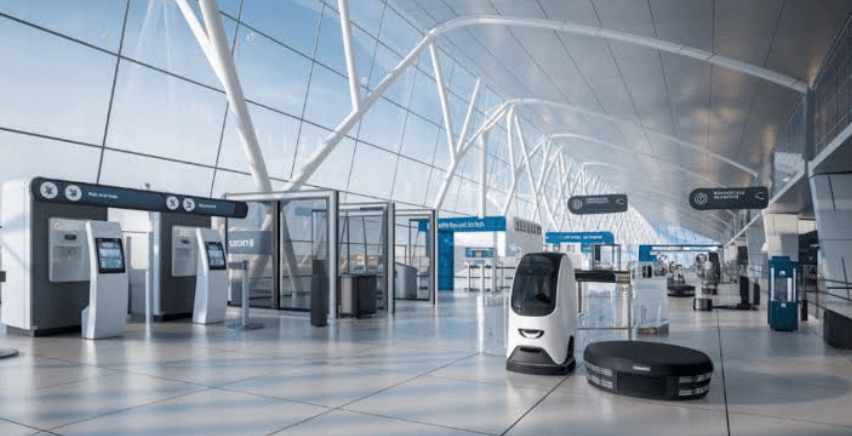
Imagine breezing through airport security without the usual long lines and stress. It sounds like a dream, right? Well, thanks to advancements in artificial intelligence (AI), this is becoming a reality. AI isn’t just for sci-fi movies anymore; it’s revolutionizing airport security. From smarter screening processes to real-time data analysis, technology is stepping up to make travel safer and more efficient.
AI systems are now capable of analyzing countless data points in mere seconds, identifying potential threats that might slip past human eyes. Not only does this increase safety, but it also speeds up the entire process. No more holding up the line while someone rummages through their bag for a misplaced boarding pass. AI can scan and verify documents in a flash, keeping things moving smoothly.
But it’s not just about speed. AI brings a level of precision that’s hard to match. By learning and evolving with each scan, these systems get better at detecting anomalies and potential hazards. It’s like having an ever-vigilant guard who never gets tired or distracted. And the best part? This technology is constantly improving, promising even greater efficiency in the future.
The rise of biometric scanning
Biometric scanning is no longer a concept reserved for futuristic spy movies. Airports around the world are adopting this technology to enhance security and streamline passenger flow. Fingerprint and facial recognition systems are becoming commonplace, offering a seamless and secure way to verify identities.
These biometric systems work by capturing unique physical characteristics—like the intricate patterns on your fingertips or the specific contours of your face—and using them to confirm who you are. It’s quick, accurate, and significantly reduces the risk of identity fraud. Plus, you won’t have to worry about losing your ID or passport; your face is your ticket!
However, it’s not just about convenience. Biometric scanning adds an extra layer of security that’s hard to bypass. Traditional methods like passwords or PINs can be forgotten or stolen, but it’s much harder to fake a fingerprint or face scan. This means that airports can ensure that only the right people are getting through security checkpoints and boarding planes.
Non-invasive screening: the future is now
Gone are the days when security checks meant invasive pat-downs and awkward body scans. Thanks to non-invasive screening technologies, passengers can now enjoy a more comfortable experience without compromising on safety. Millimeter wave scanners and terahertz imaging systems are leading the charge in this area.
These advanced scanners can detect concealed objects without physical contact or radiation exposure. Imagine a scenario where an xray suitcase inspection quickly and non-invasively identifies prohibited items in a passenger’s bag, streamlining the security process. They create detailed images using harmless waves that pass through clothing but bounce off items hidden beneath. It’s like having X-ray vision without any of the risks associated with traditional X-rays.
This technology not only makes the screening process more pleasant for passengers but also boosts efficiency at security checkpoints. With faster scans and fewer false alarms, everyone can get through security quicker and with less hassle. It’s a win-win situation for both travelers and airport staff.
Enhanced privacy measures for peace of mind
While advanced screening technologies offer many benefits, they also raise concerns about privacy. No one wants to feel like they’re being watched or have their personal information mishandled. Fortunately, modern security systems are designed with privacy in mind.
For instance, millimeter wave scanners used at airports display generic outlines rather than detailed images of passengers’ bodies. Similarly, a body scanner can maintain passenger privacy while ensuring thorough security checks, marrying safety with comfort. This means that while security personnel can identify potential threats, they can’t see any personal details. It’s a smart balance between safety and privacy.
Moreover, airports are implementing strict data protection measures to ensure that personal information collected during screenings is kept secure. From encryption protocols to limited data access policies, every effort is made to safeguard passengers’ privacy while maintaining high security standards.
See also: Simplifying Business Setup in Hong Kong
Real-time data: the game changer
One of the most exciting aspects of modern airport security is the use of real-time data analysis. By monitoring live feeds from various sensors and cameras throughout the terminal, AI systems can detect unusual behavior or potential threats as they happen.
This real-time capability allows for immediate response to any issues that arise, minimizing risks before they escalate. For example, if someone leaves a suspicious package unattended, the system can quickly alert security personnel to investigate and take action if needed.
Real-time data analysis also helps optimize airport operations beyond security. By tracking passenger movements and wait times, airports can adjust staffing levels and resource allocation dynamically, ensuring smooth operations even during peak travel periods.
In short, the integration of AI and real-time data analysis is transforming airport security into a proactive force rather than a reactive one. It’s an exciting time for travelers who can look forward to safer and more efficient journeys ahead.