LED bathroom mirrors have moved from a luxury novelty to a common upgrade, and with that popularity comes a fair question. Do they earn their higher price, or are they a gadget dressed up as an improvement? The honest answer sits between the two camps, and it depends on what a household actually values.
Rather than declaring a verdict up front, it helps to lay out the genuine case on each side. Both have merit, and a buyer who hears both makes a smarter decision than one sold on a single view.
The case in favour: light where you need it
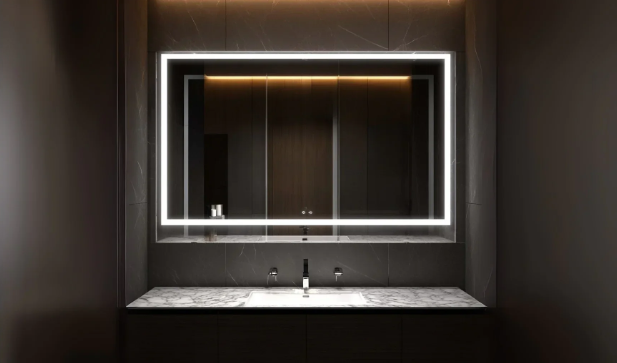
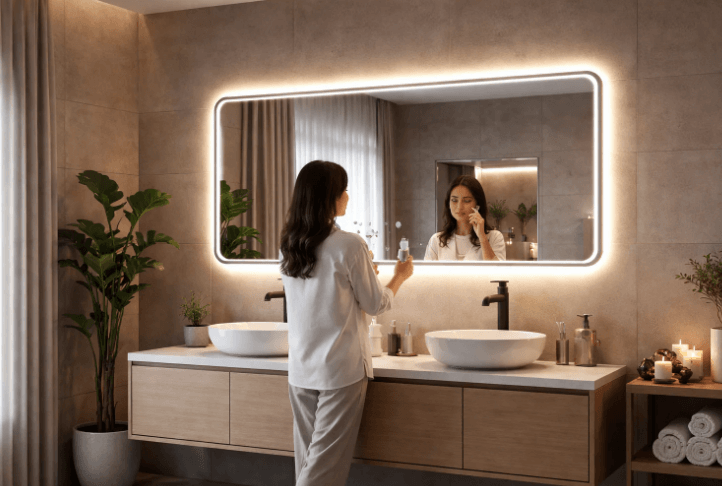
The strongest argument for an LED mirror is functional. A traditional mirror reflects whatever overhead light the room provides, which usually means shadows across the face, exactly where grooming, shaving, and makeup demand clarity. An illuminated mirror places even light around or across the reflection, eliminating those shadows.
This is not a small quality-of-life gain. Anyone who has applied makeup or shaved under a single ceiling fixture knows the frustration of uneven light. Browsing a dedicated range of entrepotdelareno.com LED mirrors shows how much the category has grown, precisely because customers report the difference is noticeable every day. For a household where the bathroom mirror gets heavy morning use, the improved lighting alone can justify the purchase.
The case in favour: features and space
Beyond light, modern LED mirrors bundle features that a plain mirror cannot offer. Anti-fog functions keep the surface clear after a hot shower, a genuine convenience in a Quebec winter. Integrated dimming lets the same mirror serve a bright morning routine and a softer evening one. Some models add clocks, adjustable colour temperature, or touch controls.
There is a spatial argument too. Because the light is built into the mirror, an LED unit can replace both the mirror and the separate vanity light fixture. In a compact bathroom, removing a bulky light bar above the mirror opens up the wall and simplifies the look. Brands like Simplehuman and Philips have pushed these integrated features toward genuine daily usefulness rather than gimmickry.
The case against: cost and complexity
The skeptical view starts with price. An LED mirror costs considerably more than a comparable plain mirror, and that premium buys features some households will rarely use. If the bathroom already has excellent lighting and the mirror sees light use, the extra spend delivers little.
Complexity is the second concern. An LED mirror is an electrical fixture, which means installation often requires a hardwired connection and, in many cases, an electrician. A plain mirror hangs on a couple of anchors in minutes. The added installation cost and the future possibility of an electronic component failing are real considerations that a simple mirror never raises.
The case against: repair and longevity
A plain mirror is close to immortal. Barring physical breakage, it will reflect faithfully for decades with zero maintenance. An LED mirror introduces electronics, drivers, and light strips that can eventually fail, and when they do, repair is often impractical compared to replacing the whole unit.
This is the quiet worry behind the purchase. A household buying an LED mirror is accepting that a component might fail in eight or ten years, turning a working mirror into an electronics problem. Smaller specialty makers such as Krugg build units with serviceability in mind, but the general principle holds: more features mean more that can eventually break. For a buyer who prizes simplicity and permanence, that trade-off weighs heavily.
Weighing it for your own bathroom
The debate resolves not into a universal answer but into a set of questions about the specific space. How heavily is the mirror used for detailed grooming? How good is the existing lighting? Is there an electrical supply nearby, or would installation mean new wiring? How long does the household plan to keep the bathroom before the next renovation?
A busy primary bathroom with poor overhead light and a nearby electrical connection makes a strong case for the LED upgrade. A rarely used guest powder room with a flattering window nearby makes a weak one. The mirror that transforms one bathroom would be an expensive indulgence in another.
What to check before you buy an illuminated mirror
For anyone leaning toward the upgrade, a few specifications separate a mirror that satisfies from one that disappoints. Colour temperature tops the list. A warm light flatters a relaxed evening but distorts the colours a person needs to see for makeup or shaving, while a cool light renders those tasks accurately but feels clinical. The best units offer adjustable temperature so the mirror serves both moods.
Light quality, measured loosely by how evenly and naturally the mirror renders a face, matters as much as brightness. A cheap unit with harsh, uneven strips creates its own shadows and defeats the purpose. Reading reviews and, where possible, seeing the mirror lit before buying guards against this. The whole value proposition rests on good light, so a mirror that lights poorly is worse than a plain one with a decent overhead fixture.
Installation requirements form the final check. Confirm whether the mirror plugs into an outlet or requires a hardwired connection, and whether the existing wiring can supply it. A hardwired unit in a bathroom without a suitable electrical box means hiring an electrician, an added cost that changes the math. Knowing this before purchase, rather than discovering it on installation day, keeps the upgrade from turning into a larger project than intended. These few checks turn a hopeful purchase into a confident one.
See also: Simplifying Business Setup in Hong Kong
A reasonable middle ground
For many households, the sensible conclusion is selective. Put the LED mirror where it earns its keep, in the bathroom used most for grooming, and keep a simple mirror where light use makes the features irrelevant. This targeted approach captures the real benefit without paying the premium in every room.
An LED mirror is neither a scam nor a necessity. It is a genuine functional upgrade whose value swings entirely on how a particular bathroom is used. Judged against that specific reality rather than a blanket rule, the right choice usually becomes obvious. The mistake is treating the decision as a matter of principle, for or against, when it is really a matter of fit. An LED mirror placed where its light and features get daily use is money well spent. The same mirror in a rarely visited powder room is money that could have gone elsewhere. Judge each bathroom on its own terms, and the debate settles itself without any need for a blanket rule.