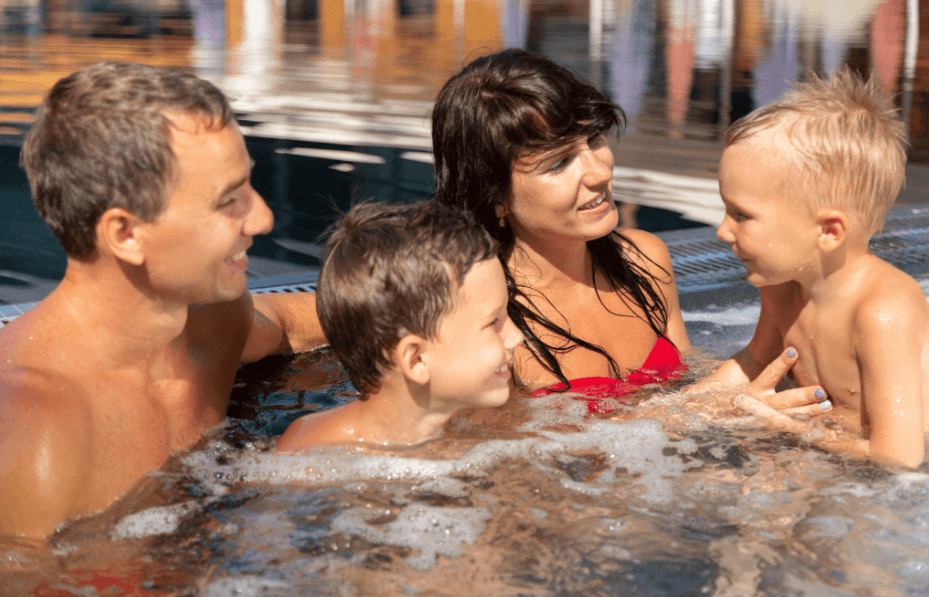
Few skills stay useful throughout life the way swimming does. A toddler learning to float, a child mastering freestyle, and an adult becoming comfortable in the water are all working toward the same thing: confidence and safety.
That shared goal is one reason swim schools continue to grow in popularity across Arizona. Families are no longer treating swimming as a seasonal activity or an optional hobby. They see it as an essential life skill, especially in a state where pools are part of everyday life.
Parents searching for surprise swim lessons often discover that programs are designed differently depending on age and experience. The lessons a toddler receives look very different from the training given to a teenager or an adult beginner. Each stage comes with its own goals, challenges, and pace of progress.
Understanding those differences helps families choose a program that fits their needs and creates realistic expectations from the start.
Early Swim Lessons Focus on Comfort and Safety
The earliest swim lessons are less about perfect technique and more about building a healthy relationship with water.
Young children, especially babies and toddlers, spend a significant amount of time learning comfort and familiarity. Instructors introduce simple skills such as floating, kicking, holding the wall, and moving safely through the water while staying close to a parent or instructor.
Progress at this age can look surprisingly different from child to child.
Some children happily splash and explore from day one. Others need time to adjust to the environment, the sounds of the pool, and the sensation of being in the water. Neither approach predicts long-term success.
Parents sometimes expect dramatic results after a few lessons, but swimming develops gradually. Consistency matters more than speed.
The strongest programs create an environment where children feel secure while slowly expanding their abilities. As confidence grows, skills begin to develop naturally.
Parents also appreciate lessons that introduce water safety habits early. Learning to wait for an adult before entering the pool or understanding how to reach the wall after entering the water may seem simple, but those habits can become incredibly valuable as children grow.
See also: Tech Updates Unveiling the Latest in Innovation
School-Age Children Begin Building Real Swimming Skills
As children get older, swim lessons become more structured.
Most school-age swimmers start working on coordinated movements, breathing techniques, and stroke development. Lessons still include safety instruction, but there is more emphasis on swimming independently and improving technique.
This stage often brings noticeable progress.
Children become excited when they swim across the pool without assistance or successfully learn a new stroke. Small victories create momentum, and many swimmers become eager to continue learning.
At the same time, progress is rarely a straight line.
A child may master floating quickly but struggle with breathing. Another swimmer may be fearless in deep water yet need extra practice with coordination. Experienced instructors understand these differences and adjust lessons accordingly.
Parents sometimes compare their child’s progress to others in the class, but swimming is highly individual. The child who advances more slowly at first may become one of the strongest swimmers a year later.
The most effective programs focus on building confidence alongside technique. Children who enjoy lessons and feel supported are more likely to continue practicing and improving.
Confidence Becomes Just as Important as Technique
Swimming lessons teach physical skills, but confidence often becomes the biggest benefit.
Children who once hesitated to put their faces underwater begin experimenting with new strokes. Swimmers who relied heavily on instructors start moving independently and trusting their abilities.
That confidence extends beyond the pool.
Parents frequently notice their children becoming more comfortable trying unfamiliar activities or tackling challenges that once seemed intimidating. Learning a difficult skill through patience and practice creates a sense of accomplishment that carries into other areas of life.
Confidence doesn’t appear overnight.
Most swimmers experience moments of frustration. A technique that seemed easy one week may suddenly feel difficult the next. Growth comes from working through those setbacks rather than avoiding them.
Strong instructors recognize this process. They celebrate progress while keeping expectations realistic, creating an environment where swimmers feel encouraged without feeling pressured.
Teen Swimmers Often Have Different Goals
Teenagers arrive at swim lessons with a wide range of experiences.
Some have been swimming for years and want to refine strokes or prepare for competitive swimming. Others are beginners who never had the opportunity to learn earlier.
The teaching style often changes to reflect those goals.
Teen swimmers generally want more independence and a clearer understanding of how techniques work. They appreciate direct feedback and tend to respond well when instructors explain the reasoning behind certain movements or drills.
At this stage, lessons become more personalized.
One swimmer may focus on endurance and speed. Another may work primarily on water safety and confidence. Programs that allow flexibility tend to keep teenagers engaged because the lessons feel relevant to their individual goals.
Swimming can also become an important outlet during adolescence.
The water offers a break from screens, school pressures, and busy schedules. Many teenagers find that swimming improves not only their fitness but also their focus and stress levels.
Adult Beginners Often Start With Confidence Building
Adult swim lessons are different in ways that surprise many people.
The biggest obstacle is rarely physical ability. More often, it’s confidence.
Some adults avoided swimming for years because they never learned as children. Others had uncomfortable experiences in the water and carried that anxiety into adulthood.
The best instructors recognize these concerns immediately.
Lessons move at a pace that feels manageable. Early sessions may focus on breathing, floating, and becoming comfortable in the water before introducing more advanced techniques.
There is no universal timeline for adult swimmers.
Some adults progress quickly because they already feel comfortable around water. Others need extra time to build trust in themselves and the learning process.
Neither approach is unusual.
This is one reason families spend time researching different swimming schools before enrolling. Teaching adults requires patience, clear communication, and an understanding that emotional barriers can be just as important as technical ones.
Adults who stick with lessons often describe swimming as a skill they wish they had learned earlier. The ability to enjoy vacations, participate in water activities, or simply feel safe around pools can have a surprisingly large impact on everyday life.
Consistency Usually Matters More Than Intensity
Families sometimes assume faster progress comes from packing more lessons into a short period.
In reality, consistency tends to produce better results.
Regular lessons allow swimmers to practice skills gradually and build confidence over time. Children retain techniques more effectively when they are reinforced week after week instead of being rushed.
The same principle applies to adults.
Learning to swim involves repetition. Breathing patterns, body position, and coordination improve through steady practice rather than sudden bursts of effort.
This is why many swim schools focus on creating routines that families can maintain long term.
A swimmer who enjoys lessons and attends regularly will often outperform someone who trains intensely for a few weeks and then stops altogether.
The goal isn’t perfection after a month or two. It’s creating skills that remain useful for years.
Families Are Looking for More Than a Pool
Parents pay attention to details that extend beyond lesson plans.
The atmosphere of a swim school matters. Friendly instructors, clean facilities, and an environment where swimmers feel comfortable can shape the entire experience.
Children tend to learn better when they feel supported.
Adults progress more easily when they don’t feel embarrassed about mistakes.
That environment isn’t created accidentally. It comes from instructors who understand that every swimmer arrives with different strengths, fears, and goals.
Some families prioritize small class sizes because they want more individual attention. Others appreciate flexible scheduling or opportunities for extra practice.
No single feature guarantees success, but the combination of thoughtful instruction and a positive environment often keeps swimmers motivated for the long term.
Families exploring city of surprise swim lessons usually discover that the right fit depends on personal goals as much as curriculum. The best program for one swimmer may not be the best choice for another.
Finding the right environment can make a meaningful difference in how quickly confidence develops and how enjoyable the learning process becomes.
For families who want to explore available programs, schedules, or lesson options, Contact us to learn more and find a program that matches your swimmer’s age, experience, and goals.
Swimming changes throughout life, but the reasons people learn remain surprisingly similar. Safety, confidence, independence, and the simple enjoyment of being comfortable in the water continue to matter whether someone is two years old or sixty.
That lasting value is exactly why so many families in Surprise continue to make swim lessons part of their routine year after year.