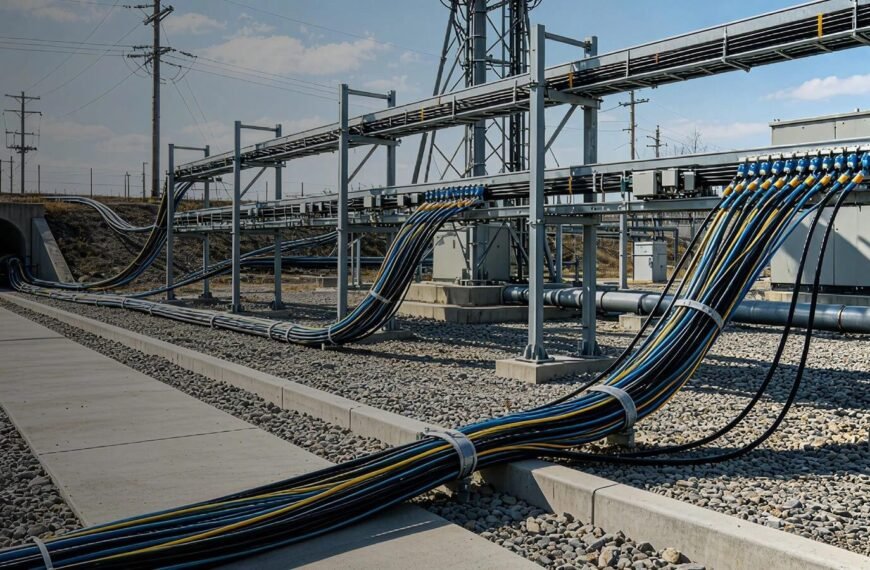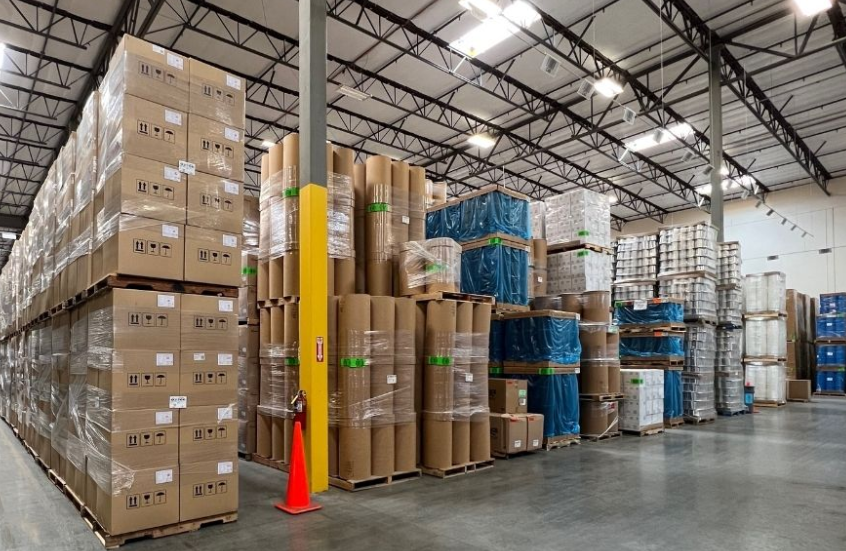
In the industrial equipment industry, the preservation and protection of materials are crucial to maintaining product quality, minimizing losses, and ensuring operational efficiency. One often overlooked but highly effective tool in this area is the oxygen absorber. Widely used across manufacturing, logistics, and storage operations, oxygen absorbers have become essential in safeguarding products against oxidation, moisture, and other environmental factors that can compromise their integrity.
Understanding the Role of Oxygen in Material Degradation
Oxygen is a reactive molecule that plays a significant role in the deterioration of industrial materials. Metals can corrode, oils can oxidize, and organic products can lose potency or freshness when exposed to air for extended periods. In storage and shipping environments, uncontrolled exposure to oxygen can lead to costly damage, product recalls, and production inefficiencies.
Oxygen absorbers address this problem by reducing the oxygen concentration within sealed packaging or containers. By limiting the availability of oxygen, these absorbers slow down oxidation reactions, inhibit microbial growth, and extend the shelf life of sensitive materials. This makes them particularly valuable for industries handling chemicals, electronic components, and perishable industrial products.
See also: Simplifying Business Setup in Hong Kong
How Oxygen Absorbers Work
An oxygen absorber is a small packet containing iron powder, ascorbic acid, or other reactive materials that chemically bind with oxygen molecules. When placed inside sealed packaging or storage containers, the absorber rapidly reduces the oxygen level, creating a controlled environment that preserves the quality of the contents.
The simplicity of the technology belies its effectiveness. Industrial operators can use oxygen absorbers in a wide range of applications, from large containers holding metal parts to smaller packages containing sensitive chemicals or lubricants. The adaptability of oxygen absorbers makes them an efficient and cost-effective solution for protecting valuable industrial products.
Applications in Industrial Equipment Storage
Oxygen absorbers are used across multiple sectors within the industrial equipment industry. In the electronics sector, they prevent corrosion on metal connectors, circuit boards, and sensitive components during storage or transit. In heavy machinery, oxygen absorbers protect precision metal parts, hydraulic components, and coated surfaces from rust formation.
Additionally, oxygen absorbers are widely used in the packaging of lubricants, adhesives, and other chemical products. By maintaining a low-oxygen environment, these products retain their chemical stability, preventing degradation that could affect their performance or safety.
Cost-Effectiveness and Operational Benefits
Investing in oxygen absorbers offers substantial financial benefits. By reducing spoilage, corrosion, and material degradation, companies can minimize replacement costs and avoid production delays caused by damaged components.
oxygen absorber are lightweight and easy to incorporate into packaging and container systems. This convenience allows businesses to scale the solution according to container size or product volume, enhancing operational efficiency without adding significant weight or cost.
Integration into Supply Chain Management
Effective use of oxygen absorbers requires integration into the broader supply chain and storage strategy. Properly sealing containers, selecting the correct size and quantity of absorbers, and monitoring storage conditions are all critical to achieving optimal results.
Logistics and warehouse managers can combine oxygen absorbers with humidity control measures, temperature regulation, and regular inspection schedules to ensure a comprehensive approach to product protection. This proactive strategy not only preserves the quality of goods but also strengthens customer trust and reduces potential liability.
Environmental and Safety Considerations
Oxygen absorbers are generally safe and non-toxic when used as directed. Most industrial-grade absorbers use iron-based or naturally occurring materials, posing minimal environmental impact. Proper disposal and adherence to manufacturer guidelines ensure that the absorbers remain safe for workers and the surrounding environment.
In addition to safety, many manufacturers are now producing eco-friendly oxygen absorbers using biodegradable or recyclable materials. These innovations align with broader sustainability goals in industrial operations, enabling businesses to protect products while maintaining environmentally responsible practices.
Technological Advancements
Recent advancements have improved the performance and versatility of oxygen absorbers. Modern absorbers offer higher oxygen absorption capacity, faster reaction rates, and longer shelf life. Some come with indicators that change color when fully saturated, alerting warehouse personnel to replace them promptly.
Customization options now allow absorbers to be tailored to specific container sizes, product types, or storage durations. This precision ensures that industrial equipment and materials remain protected throughout complex supply chains, whether in short-term storage or long-distance shipping.
Real-World Industrial Applications
Many industrial companies have reported significant benefits after integrating oxygen absorbers into their storage and shipping operations. Electronics manufacturers in Asia have reduced corrosion-related defects by over 60% by using absorbers in containerized shipments of sensitive components. Heavy machinery suppliers in Europe have successfully protected hydraulic systems and metal parts during overseas transit, preventing rust and extending product lifespan.
These examples highlight the practical impact of oxygen absorbers, demonstrating their ability to protect high-value equipment, reduce operational losses, and maintain product reliability.
Challenges and Best Practices
While oxygen absorbers are highly effective, challenges remain in their application. Choosing the correct type and quantity is essential to prevent underperformance. Incorrect placement within containers or improper sealing can reduce the effectiveness of the absorber.
To overcome these challenges, companies should conduct a thorough assessment of storage conditions, product sensitivity, and container dimensions. Training warehouse personnel on proper handling and placement ensures that oxygen absorbers function optimally. Combining absorbers with other protective measures, such as moisture control or temperature monitoring, further enhances their effectiveness.
The Future of Industrial Storage Solutions
As the industrial equipment industry continues to evolve, the need for innovative storage solutions will grow. Oxygen absorbers are likely to become standard practice for protecting sensitive materials in warehouses, shipping containers, and production facilities.
Integration with smart logistics systems, real-time monitoring, and predictive analytics will allow companies to track oxygen levels and environmental conditions dynamically. This will enable automated adjustments and further reduce the risk of product degradation, creating safer, more efficient, and reliable supply chains.
Conclusion
In industrial equipment storage and logistics, maintaining product quality is a critical priority. Oxygen absorbers offer a simple, cost-effective, and versatile solution for controlling oxygen levels and preventing damage caused by oxidation, corrosion, and chemical degradation.
By incorporating oxygen absorbers into packaging, containerized shipments, and warehouse storage, companies can protect sensitive components, extend product shelf life, reduce operational costs, and ensure customer satisfaction. Technological advancements, environmental considerations, and best practices in deployment make oxygen absorbers a key tool in modern industrial supply chain management.
For industrial operators seeking reliable protection for their products, adopting oxygen absorbers is a proactive step toward efficiency, sustainability, and long-term business success.