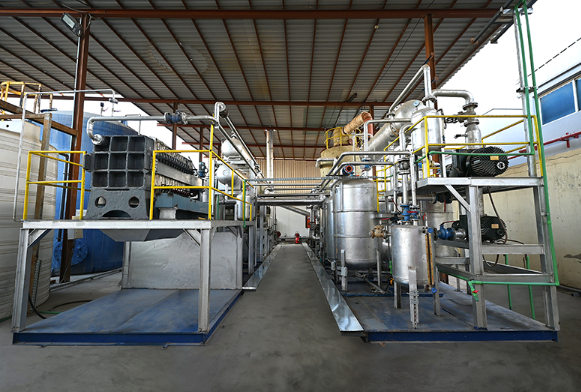
The growing need for sustainable energy solutions has highlighted the importance of petroleum recycling plants. These plants provide industries with the ability to process used or waste petroleum products, converting them into high-quality fuels, base oils, and industrial lubricants. By investing in recycling technology, businesses can reduce environmental impact, optimize resource usage, and cut operational costs.
What is a Petroleum Recycling Plant?
A petroleum recycling plant is a facility designed to treat waste or used petroleum products through refining and purification processes. The plant removes impurities, contaminants, and sludge from oils, converting them into reusable fuels or industrial products. This process not only conserves resources but also promotes eco-friendly industrial practices.
Benefits of a Petroleum Recycling Plant
- Environmental Protection – Reduces the disposal of hazardous oils into the soil or water.
- Resource Optimization – Recovers valuable products from waste petroleum.
- Cost Efficiency – Lowers expenses for fuel and raw materials.
- Sustainable Operations – Supports circular economy principles by reusing waste.
See also: Tech Updates Unveiling the Latest in Innovation
Key Components of a Petroleum Recycling Plant
Modern recycling plants integrate multiple units to ensure efficiency and high-quality output:
- Pre-Treatment Systems – Filter and remove solids, water, and sludge.
- Distillation Units – Separate oil into fractions suitable for various applications.
- Refining and Purification Units – Remove contaminants and improve product quality.
- Storage and Handling Systems – Safely manage treated petroleum products.
- Automated Monitoring Systems – Control temperature, pressure, and flow for precision.
Industrial Applications
Petroleum recycling plants are versatile and cater to multiple industries:
- Fuel Production – Generate diesel, kerosene, and other fuels from used oils.
- Base Oil Manufacturing – Produce industrial lubricants and oils for machinery.
- Energy Sector – Provide refined fuels for power generation and heating.
- Environmental Services – Reduce industrial oil waste and promote sustainable practices.
By incorporating a businesses can achieve high-quality outputs while reducing environmental hazards.
Environmental and Economic Advantages
Implementing a petroleum recycling plant provides significant benefits:
- Waste Minimization – Converts hazardous oils into usable products, reducing environmental contamination.
- Operational Efficiency – Optimizes the use of raw materials while maintaining high output.
- Cost Reduction – Produces fuels and lubricants internally, lowering procurement costs.
- Sustainability – Promotes eco-friendly practices and compliance with environmental regulations.
Technological Innovations
Modern recycling plants utilize advanced technologies to improve performance:
- Automated Control Systems – Maintain precise control over temperature, flow, and pressure.
- Energy-Efficient Designs – Reduce electricity consumption while ensuring optimal output.
- Advanced Purification Systems – Remove contaminants to produce high-quality products.
These innovations help industries maintain efficiency, quality, and compliance while supporting sustainable production.
Conclusion
Investing in a petroleum recycling plant allows industries to convert waste oils into valuable products efficiently and sustainably. With advanced technology and automated systems, these plants maximize resource utilization, reduce environmental impact, and provide high-quality fuels and lubricants. Businesses benefit from cost savings, operational efficiency, and eco-friendly practices, making petroleum recycling a strategic solution for modern industrial operations.
Frequently Asked Questions (FAQs)
1. What types of petroleum products can be recycled?
Used oils, industrial lubricants, and waste petroleum products can all be processed.
2. How do I choose a reliable petroleum recycling plant?
Evaluate technology, manufacturer expertise, energy efficiency, and after-sales support.
3. What are the main benefits of a petroleum recycling plant?
Benefits include resource optimization, cost savings, environmental protection, and sustainable production.