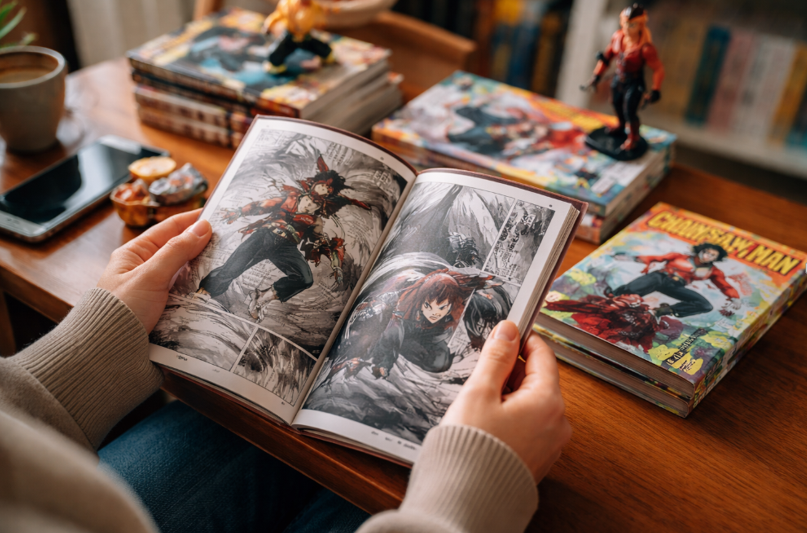
Chainsaw Man is not your average manga it tears through the genre like a roaring engine on blood. If you’ve seen Denji wielding a chainsaw from his face and wondered what the hell is going on, you’re not alone. With devils, contracts, and heart-wrenching betrayals, the story packs action and symbolism that might feel chaotic at first glance. This article helps you decode everything with clarity so you’ll know exactly why fans obsess over this unhinged yet brilliant universe.
What is Chainsaw Man about and why does it stand out?
The core plot of Chainsaw Man revolves around Denji, a broke teenage boy saddled with his deceased father’s debt to the yakuza. To repay them, Denji slays devils alongside his loyal pet chainsaw devil, Pochita. Life’s grim he eats stale bread, sells organs, and dreams of simple joys like jam on toast or a hug from a girl. One day, betrayed and killed by the yakuza, Denji fuses with Pochita and is reborn as Chainsaw Man a devil-human hybrid with the power to mow down anything.
The raw mix of emotional desperation and absurd violence gives Chainsaw Man its unique flavor. It’s not just about fighting devils it’s about survival, trauma, and desire. In a twisted world where devils embody fears (like the Gun Devil or the Eternity Devil), characters make contracts to gain powers often at a deadly price. If you’re looking for a collectible or want to dive deeper into this world, check out these anime figures that celebrate the iconic looks of the series.
Who is Denji and how does Pochita change everything?
Denji is both Chainsaw Man’s heart and its tragedy. As a boy who’s never felt love, Denji accepts anything to feel seen. He gets recruited into the Public Safety Devil Hunters, a government agency fighting dangerous devils. There, he meets Makima, a mysterious woman who offers him comfort but hides a much darker agenda.
Pochita, the chainsaw devil, merges with Denji out of love. This act of sacrifice fuels Denji’s second life, giving him the ability to transform by pulling a ripcord in his chest. This mix of body horror and emotional bond gives Chainsaw Man a unique tension. Denji isn’t a hero he’s a lost kid chasing dreams that constantly betray him. Fans of Denji often gravitate toward collectible Chainsaw Man figures, which capture the gory beauty of his chainsaw form.
What role do devils and contracts play in the story?
Chainsaw Man introduces a world where devils are born from human fears. The stronger the fear, the more dangerous the devil. So the Gun Devil, born from fear of guns, is practically a force of mass destruction, while the Tomato Devil is more of a joke.
Characters often make contracts with devils to borrow their power. But these deals are never free. You might trade your eyesight, your years of life, or even your sense of taste. This constant exchange reinforces the manga’s theme: power comes with sacrifice. Denji’s fellow hunters like Aki Hayakawa and Power, a devil-human hybrid each have deals and scars of their own. These layered relationships are what elevate Chainsaw Man beyond standard shōnen tropes.
Examples of devil contracts
- Aki’s deal with the Fox Devil (summons its head for battle)
- Himeno’s contract with the Ghost Devil (she offers her eye)
- Kobeni’s mysterious pact (never fully revealed)
The metaphor behind the devils
Devils act like mirrors: they reflect real-world anxieties, giving the story symbolic depth. Fear of control, death, guns, time each is given form and blood.
See also: Geotextiles and Geomembranes: Applications and Advantages in Civil Engineering
What’s the relationship between Makima and Denji?
Makima appears as a calm and caring leader, but her control over Denji is deep and unnerving. She feeds him comfort, food, and love but uses his trauma to mold him into a tool. She is not just a character she’s the embodiment of control, one of the most feared devils. The relationship is psychological, manipulative, and unsettling. Denji wants to be loved, and Makima exploits that need. Their dynamic becomes central to the story’s emotional climax. As Denji begins to realize the truth, he faces a moral implosion: is the love he received fake if it made him happy?
How does Chainsaw Man Part 1 end and what comes next?
Without spoiling too much, the finale of Part 1 delivers a sharp twist. Denji makes a life-altering choice that cuts deep emotionally and philosophically. The ending isn’t just a resolution it’s a reset. The last chapters blur the line between freedom and duty, and between Denji’s past trauma and his chance to live on his own terms.
Like a chainsaw cutting through metal, the ending is brutal but transformative. In Part 2 of the manga (still ongoing), Denji attends high school while hiding his identity. New characters, new devils, and new rules create a shift in tone but the themes of identity, control, and loneliness persist. Chainsaw Man continues to evolve, refusing to settle into any comfort zone much like Denji himself.
Final thoughts on the Chainsaw Man storyline
Chainsaw Man is as violent as it is vulnerable. What starts as a story about a boy and his devil evolves into a complex meditation on power, identity, and trauma. If you’re diving into the manga or anime, knowing the deeper symbolism and character arcs can turn a gory ride into a meaningful experience. What part of the story hit you the hardest? Let’s talk about it.