Fire safety is a critical factor across industries, from furniture and automotive to aviation and public spaces. Fire retardant synthetic leather offers a practical solution by combining the aesthetic appeal and durability of synthetic leather with enhanced flame-resistant properties. Understanding its features, applications, and advantages ensures safer environments without compromising on design.
What Is Fire Retardant Synthetic Leather?
Fire retardant synthetic leather is a specially treated material designed to resist ignition and limit the spread of flames. Made from fire retardant synthetic leather polymers such as PU or PVC, it mimics the look and feel of genuine leather while providing additional safety benefits. It is widely used in environments where compliance with fire safety regulations is crucial.
Key Features of Fire Retardant Synthetic Leather
- Flame Resistance: Reduces the risk of fire ignition and slows down flame spread.
- Durability: Resists wear, scratches, and prolonged use.
- Low Maintenance: Easy to clean without damaging its protective properties.
- Versatility: Suitable for automotive interiors, furniture, aviation, and marine applications.
- Aesthetic Appeal: Maintains the look and feel of traditional leather.
Advantages of Fire Retardant Synthetic Leather
Using fire retardant synthetic leather provides multiple advantages:
- Enhanced Safety: Minimizes fire-related risks for people and property.
- Long Lifespan: Resistant to wear, cracking, and environmental damage.
- Cost-Effective: Offers the appearance of leather at a lower cost and with additional safety.
- Regulatory Compliance: Meets fire safety standards for commercial and industrial applications.
- Wide Range of Uses: From furniture upholstery to automotive and marine interiors.
Applications of Fire Retardant Synthetic Leather
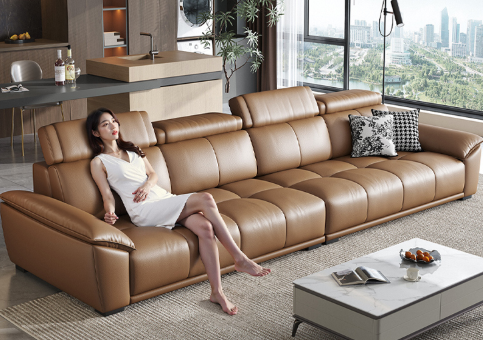
- Furniture: Sofas, office chairs, and public seating in high-traffic areas.
- Automotive Interiors: Car seats, dashboards, and door panels requiring fire safety compliance.
- Protective Gear: Industrial clothing and flame-resistant equipment.
- Marine Upholstery: Fire-safe seating and cushions for boats and yachts.
- Commercial Spaces: Hotels, restaurants, airports, and public transportation seating.
Fire Retardant Synthetic Leather vs Standard Synthetic Leather
| Feature | Fire Retardant Synthetic Leather | Standard Synthetic Leather |
|---|---|---|
| Flame Resistance | High | Low |
| Durability | High | Moderate |
| Maintenance | Easy | Easy |
| Applications | Safety-critical environments | General use |
| Compliance | Meets fire safety standards | Not applicable |
Tips for Maintaining Fire Retardant Synthetic Leather
- Regular Cleaning: Wipe with a damp cloth using mild soap.
- Avoid Harsh Chemicals: Prevents damage to the flame-resistant coating.
- Check for Wear: Inspect regularly for scratches or tears.
- Proper Storage: Keep in a dry, cool place when not in use.
FAQs About Fire Retardant Synthetic Leather
1. Is fire retardant synthetic leather completely fireproof?
No material is entirely fireproof, but this leather significantly slows ignition and flame spread.
2. Where is fire retardant synthetic leather commonly used?
It is widely used in furniture, automotive interiors, aviation, marine, and public spaces requiring fire safety compliance.
See also:Simplifying Business Setup in Hong Kong
3. How should fire retardant synthetic leather be cleaned?
Use mild soap and water, avoid abrasive cleaners, and inspect regularly to maintain its protective properties.
Conclusion
Fire retardant synthetic leather combines style, durability, and safety, making it ideal for environments where fire risk is a concern. Its flame-resistant properties, low maintenance, and versatile applications ensure both compliance and aesthetic appeal. For more information and reliable sources, explore this resource to make informed choices for your projects.