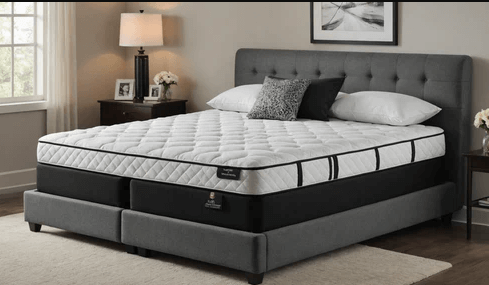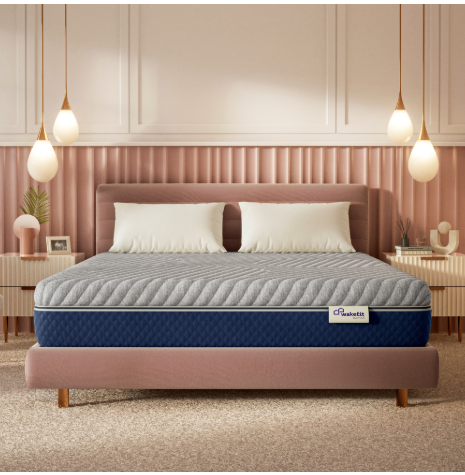
Sleep is one of the most important parts of a healthy life, yet many people do not pay enough attention to the mattress they use. A good mattress supports your body, reduces pressure on joints, and helps you wake up feeling fresh. With so many options available today, understanding the different types of mattress is essential before making a buying decision. The right choice depends on your sleeping style, body weight, room size, and comfort preference.
In many Indian homes and urban apartments, space planning also plays a big role in mattress selection. Families are moving toward practical sizes and materials that balance comfort with durability. This guide explains the major types of mattress, their benefits, and whether a queen option could be suitable for your bedroom. The goal is simple: help you make an informed decision without confusion.
Understanding Why Mattress Choice Matters
Many people think all mattresses are the same, but that is not true. The material inside a mattress directly affects spinal alignment, sleep quality, and long-term health. A poor mattress may cause back pain, shoulder stiffness, or disturbed sleep. On the other hand, the right mattress can improve posture and overall comfort.
When exploring different types of mattress, you should first consider your sleeping position. Side sleepers need pressure relief on hips and shoulders. Back sleepers require proper lumbar support. Stomach sleepers usually prefer a firmer surface to avoid sinking too much.
Climate is another factor. In warmer regions, breathable materials are important. Durability also matters because a mattress is a long-term investment. Most quality mattresses last between seven to ten years, depending on usage and material quality.
By understanding the purpose of each type, you reduce the chances of buying something unsuitable. Let us now explore the most common types of mattress available in the market.
Memory Foam Mattress: Comfort and Pressure Relief
Memory foam mattresses have become very popular over the last decade. They are designed to adjust to your body shape and distribute weight evenly. This helps reduce pressure points and supports the spine properly.
Among the common types of mattress, memory foam stands out for its comfort. It is especially helpful for people who suffer from joint pain or back issues. The foam responds to body heat and softens slightly, allowing the body to sink in gently.
One advantage of memory foam is motion isolation. If you share your bed, you will notice less disturbance when the other person moves. However, some traditional memory foam mattresses can retain heat. Modern versions often include cooling layers to improve airflow.
Memory foam works well for couples and individuals who prefer a softer yet supportive feel. It is important to check foam density and thickness before buying, as these factors affect durability.
Innerspring Mattress: Traditional Support
Innerspring mattresses are one of the oldest and most widely known options. They use metal coils to provide support and structure. Many people are familiar with this type because it has been available for decades.
When discussing types of mattress, innerspring models are often considered the traditional choice. They offer good bounce and strong edge support. This makes them suitable for people who prefer a firmer sleeping surface.
These mattresses usually allow better airflow compared to older foam designs, which can help in hot climates. However, they may not provide the same level of pressure relief as memory foam. Over time, lower-quality coils can lose shape or create noise.
If you prefer a mattress that feels firm and supportive without too much sinking, innerspring can be a practical option.
See also: The Heart of Independent Living Support at Home
Latex Mattress: Natural and Durable
Latex mattresses are known for their durability and responsiveness. They are made either from natural latex derived from rubber trees or from synthetic materials. Natural latex is often preferred for its eco-friendly properties.
Among the different types of mattress, latex offers a balanced feel. It is neither too soft nor too firm. It gently supports the body while maintaining bounce. Latex also has natural breathability, which makes it comfortable in warm weather.
One strong advantage of latex mattresses is longevity. They can last longer than many foam or spring models if maintained properly. They also resist dust mites and mold, which is helpful for people with allergies.
However, latex mattresses are usually more expensive. If budget allows and you prefer a natural material, latex can be a strong long-term investment.
Hybrid Mattress: Combining the Best of Both
Hybrid mattresses combine features of memory foam and innerspring systems. They usually have a coil base for support and foam or latex layers on top for comfort.
When comparing types of mattress, hybrids are often seen as a balanced solution. They provide both pressure relief and sturdy support. This makes them suitable for a wide range of sleepers.
Hybrids also tend to offer better airflow compared to all-foam mattresses. The coil layer promotes ventilation, while the top layer cushions the body. For couples with different comfort preferences, hybrid models can be a good middle ground.
While hybrids can be slightly more expensive, they are becoming increasingly popular due to their versatility.
Orthopedic Mattress: Focus on Back Support
Orthopedic mattresses are designed to support the spine and reduce stress on joints. They are often recommended for people who suffer from chronic back pain.
In the discussion of types of mattress, orthopedic options focus on firmness and alignment. They are usually made with high-density foam, supportive coils, or a combination of both.
These mattresses help maintain natural spinal posture during sleep. However, firmness levels vary, so it is important to choose one that matches your comfort preference. Too much firmness can feel uncomfortable for side sleepers.
If you frequently wake up with stiffness or discomfort, exploring orthopedic designs may be beneficial.
Is a queen size matress the Right Fit for Your Bedroom?
Choosing the correct mattress size is as important as selecting the material. A queen size matress is one of the most popular options for modern households. It typically offers enough space for two adults while still fitting comfortably in medium-sized bedrooms. If you live in an urban apartment, a queen size matress can provide a good balance between comfort and space efficiency. It allows couples to sleep without feeling cramped, and even single sleepers can enjoy extra room to move. Before buying a queen size matress, measure your bedroom carefully to ensure there is enough space for walking around and placing other furniture like wardrobes or side tables.
Factors to Consider Before Making a Final Decision
Buying a mattress should never be rushed. First, define your comfort level. Do you prefer soft, medium, or firm? Second, consider your body weight. Heavier individuals may need stronger support to prevent sinking.
Check warranty and trial period. Many brands now offer sleep trials that allow you to test the mattress at home. This reduces risk and increases confidence in your purchase.
Budget is also important. Higher price does not always guarantee better comfort, but extremely low-cost options may compromise durability. Aim for value rather than just price.
Think about maintenance. Some mattresses need rotation every few months to maintain shape. Understanding care requirements will extend lifespan.
Common Mistakes People Make When Buying a Mattress
One common mistake is choosing a mattress based only on price. Another is ignoring room size and layout. Some people also forget to check return policies or warranty details.
Testing comfort is important, even if buying online. Read reviews and compare specifications carefully. Do not assume that what works for someone else will work for you.
Lastly, many buyers focus only on brand name without understanding material quality. Knowing the actual construction helps you make a smarter decision.
Making the Right Mattress Choice for Better Sleep
Understanding the various types of mattress helps you narrow down options based on comfort, health needs, and budget. Whether you prefer memory foam for pressure relief, innerspring for traditional support, latex for durability, or hybrid for balance, each type offers unique benefits.
At the same time, size matters. A queen mattress remains one of the most practical choices for couples and individuals who want extra space without overwhelming their bedroom.
The key is to assess your needs honestly. Consider your sleep habits, room size, and long-term comfort. A mattress is not just another household item. It plays a direct role in your health and daily energy levels.
By learning about the different materials and comparing features carefully, you can confidently choose a mattress that supports your body and improves your sleep for years to come.