Fire safety is a critical responsibility for property owners, employers, and facility managers across residential, commercial, and industrial environments. A well-structured fire risk assessment helps identify potential hazards, evaluate risks, and implement effective control measures to protect lives, property, and business continuity. Understanding Fire Risk Assessment: Principles and Practice is essential for maintaining compliance, preventing fire incidents, and ensuring preparedness in emergencies.
Understanding Fire Risk Assessment
A fire risk assessment is a systematic process used to identify fire hazards, assess the likelihood of a fire occurring, evaluate the potential consequences, and determine suitable preventive and protective measures. It is not a one-time activity but an ongoing process that must be reviewed regularly, especially when changes occur within a building or operation.
Fire risk assessments aim to reduce the chances of fire ignition, limit fire spread, and ensure safe evacuation if a fire does occur. The assessment provides a structured approach to fire safety management and forms the foundation of an effective fire prevention strategy.
Importance of Fire Risk Assessment
Fire incidents can cause severe loss of life, extensive property damage, and long-term economic disruption. Conducting a thorough fire risk assessment helps organizations and individuals to:
- Identify hidden fire hazards before they cause harm
- Protect occupants, employees, and visitors
- Reduce damage to buildings and assets
- Improve emergency response readiness
- Comply with fire safety regulations and standards
- Minimize legal liabilities and insurance risks
A proactive approach to fire risk assessment significantly enhances overall safety and resilience.
Principles of Fire Risk Assessment
The principles of fire risk assessment provide a structured framework for identifying and managing fire-related risks. These principles ensure that assessments are comprehensive, consistent, and effective.
Identification of Fire Hazards
The first principle involves identifying potential sources of fire, fuel, and oxygen. Common fire hazards include electrical equipment, heating systems, flammable liquids, combustible materials, poor housekeeping, and unsafe storage practices. Ignition sources and activities that may increase fire risk must be carefully evaluated.
Identification of People at Risk
This principle focuses on identifying individuals who may be at risk in the event of a fire. This includes employees, residents, visitors, contractors, and vulnerable individuals such as children, elderly persons, and people with disabilities. Understanding occupancy patterns and movement within the building is crucial for effective evacuation planning.
Read Also: Eco-Friendly Lighting Options for a Sustainable Home
Evaluation of Fire Risks
Once hazards and people at risk are identified, the likelihood of a fire occurring and the potential severity of its consequences must be evaluated. This involves considering existing control measures, building design, fire load, and human behavior. Risk evaluation helps prioritize areas requiring immediate attention.
Implementation of Control Measures
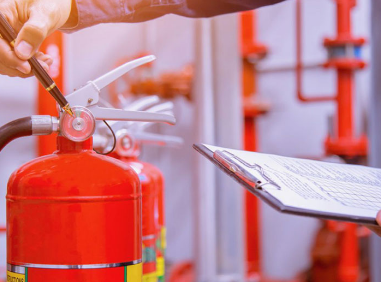
Effective fire risk management requires implementing appropriate preventive and protective measures. These may include eliminating hazards, reducing fuel sources, improving ventilation, installing fire detection systems, providing fire extinguishers, and enhancing emergency lighting and signage.
Documentation and Record Keeping
Proper documentation ensures accountability and provides evidence of compliance. Fire risk assessment records should clearly outline identified hazards, assessed risks, implemented controls, and recommended improvements. Documentation also supports regular reviews and audits.
Review and Continuous Improvement
Fire risk assessments must be reviewed periodically and updated whenever changes occur, such as renovations, changes in occupancy, or new equipment installation. Continuous improvement ensures that fire safety measures remain effective and relevant.
Practice of Fire Risk Assessment
The practical application of fire risk assessment translates principles into actionable steps. A structured approach ensures consistency and effectiveness.
Step 1: Preparation and Planning
Before starting the assessment, gather building layouts, occupancy details, and existing fire safety information. Understanding the purpose and scope of the assessment helps ensure a focused and thorough evaluation.
Step 2: Hazard Inspection
Conduct a detailed inspection of the premises to identify ignition sources, combustible materials, and potential fire spread routes. Pay close attention to electrical systems, storage areas, kitchens, and machinery.
Step 3: Risk Analysis
Analyze the likelihood of fire occurrence and potential impact on occupants and property. Consider factors such as fire detection systems, escape routes, and staff training. Risk levels should be categorized to prioritize corrective actions.
Step 4: Implementation of Safety Measures
Introduce appropriate fire prevention and protection measures based on risk levels. This may include improved housekeeping, fire-resistant materials, access control, alarm systems, and staff training programs.
Step 5: Emergency Planning and Training
Effective fire safety depends on preparedness. Emergency evacuation plans should be clearly defined, communicated, and practiced through drills. Staff must be trained to respond calmly and effectively during emergencies.
Step 6: Monitoring and Review
Regular inspections and reviews ensure that fire safety measures remain functional and effective. Maintenance of fire equipment and reassessment of risks help prevent complacency and maintain safety standards.
Common Challenges in Fire Risk Assessment
Fire risk assessments may face challenges such as lack of awareness, insufficient training, outdated documentation, and poor maintenance practices. Overcoming these challenges requires management commitment, continuous education, and a culture of safety awareness.
Legal and Ethical Responsibility
Conducting a fire risk assessment is both a legal and ethical responsibility. Property owners and employers have a duty of care to protect occupants from fire hazards. Failure to comply can result in penalties, legal action, and reputational damage.
Benefits of Effective Fire Risk Assessment
A well-executed fire risk assessment delivers multiple benefits including enhanced safety culture, reduced incident rates, improved compliance, operational continuity, and peace of mind for stakeholders.
Conclusion
Fire Risk Assessment: Principles and Practice is a vital component of comprehensive fire safety management. By systematically identifying hazards, evaluating risks, and implementing effective control measures, organizations and individuals can significantly reduce fire-related dangers. Fire risk assessment is not a static process but a continuous commitment to safety, preparedness, and improvement. A proactive approach not only protects lives and property but also fosters a safer and more resilient environment for everyone.
Frequently Asked Questions (FAQs)
What is the main purpose of a fire risk assessment?
The main purpose is to identify fire hazards, evaluate risks, and implement measures to prevent fires and protect people in the event of an emergency.
How often should a fire risk assessment be reviewed?
A fire risk assessment should be reviewed regularly and updated whenever significant changes occur in the building, occupancy, or operations.
Who is responsible for conducting a fire risk assessment?
Property owners, employers, or designated responsible persons are accountable for ensuring a fire risk assessment is carried out and maintained.
Is fire risk assessment required for small buildings?
Yes, fire risk assessment is essential for buildings of all sizes, as fire hazards can exist in any environment.
What happens if a fire risk assessment is not conducted?
Failure to conduct a fire risk assessment can lead to increased fire hazards, legal penalties, insurance issues, and serious safety risks.