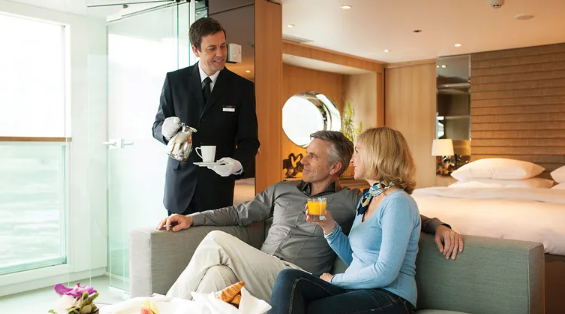
The travel and hospitality industry has undergone a remarkable transformation over the past decade. Travelers today seek more than just a place to stay; they desire experiences that blend comfort, luxury, and convenience. In major global cities, this shift has led to the rise of high-end accommodations that cater to both business and leisure travelers. These establishments focus on providing exceptional service, state-of-the-art amenities, and unforgettable experiences, setting new standards for urban hospitality.
The Growth of Luxury Hospitality
Luxury hospitality has seen significant growth due to increasing demand from affluent travelers and international business professionals. A 5 star hotel in hong kong for instance, offers more than just premium rooms—it provides a comprehensive experience that includes fine dining, wellness facilities, and personalized services. The city’s position as a major financial and tourism hub has contributed to a thriving market for high-end accommodations, attracting visitors who expect the utmost in quality and attention to detail.
Luxury hotels cater to a wide range of travelers, from corporate executives attending meetings to families seeking leisure stays. Their ability to deliver tailored services and memorable experiences has become a key differentiator in the competitive hospitality industry.
Personalized Guest Experiences
One of the hallmarks of modern luxury hotels is the emphasis on personalized experiences. Guests increasingly value services that are customized to their preferences, whether it’s room setup, dining options, or recreational activities. Technology plays a significant role in this personalization. Hotels utilize advanced booking systems and guest management software to anticipate needs and provide tailored recommendations.
For example, a 5 star hotel in hong kong might offer concierge services that curate unique city experiences, from private harbor tours to exclusive shopping trips. Personal touches such as customized welcome amenities or preferred room arrangements enhance guest satisfaction and build long-term loyalty.
Integration of Technology
The integration of technology in luxury hotels has become essential in enhancing guest convenience and operational efficiency. Smart room controls, high-speed internet, mobile check-in, and AI-powered customer support are now standard offerings. These innovations not only improve the guest experience but also streamline hotel operations, allowing staff to focus on personalized services.
High-end hotels in metropolitan cities increasingly leverage technology to provide seamless experiences. For instance, mobile applications allow guests to make reservations, order room service, or access spa treatments with just a few taps. The use of technology ensures that guests enjoy both comfort and efficiency during their stay.
Culinary Excellence
Dining is a central component of the luxury hospitality experience. A 5 star hotel in hong kong typically features multiple restaurants offering diverse cuisines prepared by world-class chefs. Culinary offerings range from international fine dining to local gourmet experiences, catering to the tastes of both international visitors and local patrons.
Hotels also emphasize unique dining experiences, such as rooftop bars with city views or themed culinary events. By providing a combination of ambiance, flavor, and presentation, luxury hotels transform dining into a memorable aspect of the guest experience.
See also: Improving Industrial Storage Efficiency with Modern Packaging Solutions
Wellness and Leisure Amenities
Luxury travelers prioritize wellness and leisure during their stays. Hotels incorporate state-of-the-art fitness centers, spa facilities, and recreational options to meet these expectations. Wellness offerings may include personalized spa treatments, yoga classes, and holistic health programs.
A 5 star hotel in hong kong often provides premium amenities such as infinity pools, private lounges, and rooftop gardens. These spaces allow guests to relax and rejuvenate, creating a balance between the demands of travel and personal well-being. Leisure facilities also enhance the overall appeal of the property, making it a preferred choice for travelers seeking both luxury and comfort.
Business and Conference Facilities
High-end hotels increasingly cater to corporate travelers by providing world-class business and conference facilities. Meeting rooms, boardrooms, and event spaces are designed to accommodate diverse professional needs, from small team meetings to large-scale conferences.
The availability of advanced audiovisual equipment, high-speed internet, and dedicated support staff ensures that corporate events run smoothly. A 5 star hotel in hong kong often offers flexible meeting spaces combined with professional services, creating an ideal environment for productive gatherings. This combination of luxury and functionality appeals to international business travelers who value both convenience and sophistication.
Cultural and Local Experiences
Modern luxury hotels recognize that travelers are not only seeking comfort but also authentic experiences. Integrating cultural and local elements into the guest experience helps create memorable stays. This can include curated city tours, cultural workshops, or locally inspired décor within the hotel.
For instance, a 5 star hotel in hong kong may offer guests opportunities to explore the city’s vibrant arts scene, visit historical landmarks, or experience traditional culinary practices. These culturally immersive experiences enrich the stay and provide a deeper connection to the destination, enhancing overall guest satisfaction.
Sustainability in Luxury Hospitality
Sustainability has become a priority for luxury hotels, reflecting the growing awareness among travelers about environmental responsibility. High-end hotels adopt eco-friendly practices, such as energy-efficient lighting, water conservation systems, and waste reduction initiatives.
A 5 star hotel in hong kong may implement green building standards, source locally produced ingredients for its restaurants, and encourage sustainable guest practices. Incorporating sustainability does not compromise luxury; instead, it enhances the brand’s reputation and appeals to conscientious travelers seeking ethical and responsible hospitality.
Future Trends in Luxury Travel
The future of luxury hospitality is being shaped by technology, personalization, and sustainability. Hotels will increasingly integrate AI and smart systems to anticipate guest needs, provide immersive experiences, and enhance operational efficiency. Wellness and lifestyle-focused services will continue to grow, with an emphasis on mental health, fitness, and personalized leisure activities.
Cultural engagement and sustainability will remain essential components, ensuring that travelers can enjoy luxury without compromising environmental and social responsibility. A 5 star hotel in hong kong, or similar urban luxury destinations, will need to combine all these elements to meet evolving expectations and remain competitive in the global market.
Conclusion
The travel and hospitality industry is continuously evolving to meet the changing expectations of modern travelers. Luxury hotels have become more than just accommodations—they are destinations that offer personalized services, advanced technology, exceptional dining, and wellness amenities. A 5 star hotel in hong kong exemplifies this transformation, providing a blend of comfort, efficiency, and cultural experiences that cater to both business and leisure travelers.
By focusing on personalization, technology, sustainability, and cultural immersion, high-end hotels are redefining the standards of urban hospitality. As the industry moves forward, these properties will continue to play a pivotal role in shaping memorable travel experiences, ensuring that every stay exceeds expectations and leaves a lasting impression.